Informe 2026
The world is changing and the planet's resources are running out. With more than 2,500 hours of sunshine per year and a privileged geography, Spain plays a decisive role in the transition towards an energy model based on renewable sources. This educational report gathers public data and recent guidance to help readers understand the change under way.
Global warming and shared responsibility
Global warming is no longer a distant forecast: it is a measurable reality. Heatwaves, prolonged droughts and forest fires have reminded us, summer after summer, that the protection of the environment is a daily task. The European Union has reaffirmed the goal of cutting net greenhouse-gas emissions by at least 55% by 2030 from 1990 levels.
Spain has aligned its National Integrated Energy and Climate Plan with that roadmap. The transition requires a change of mindset: saving water, recycling materials, rethinking mobility and, above all, gradually replacing fossil fuels with clean sources. It is a shared effort across citizens, public administrations and Spanish energy companies, oriented to the protection of the natural environment and to the development of future generations.
Spain's role in renewable energy
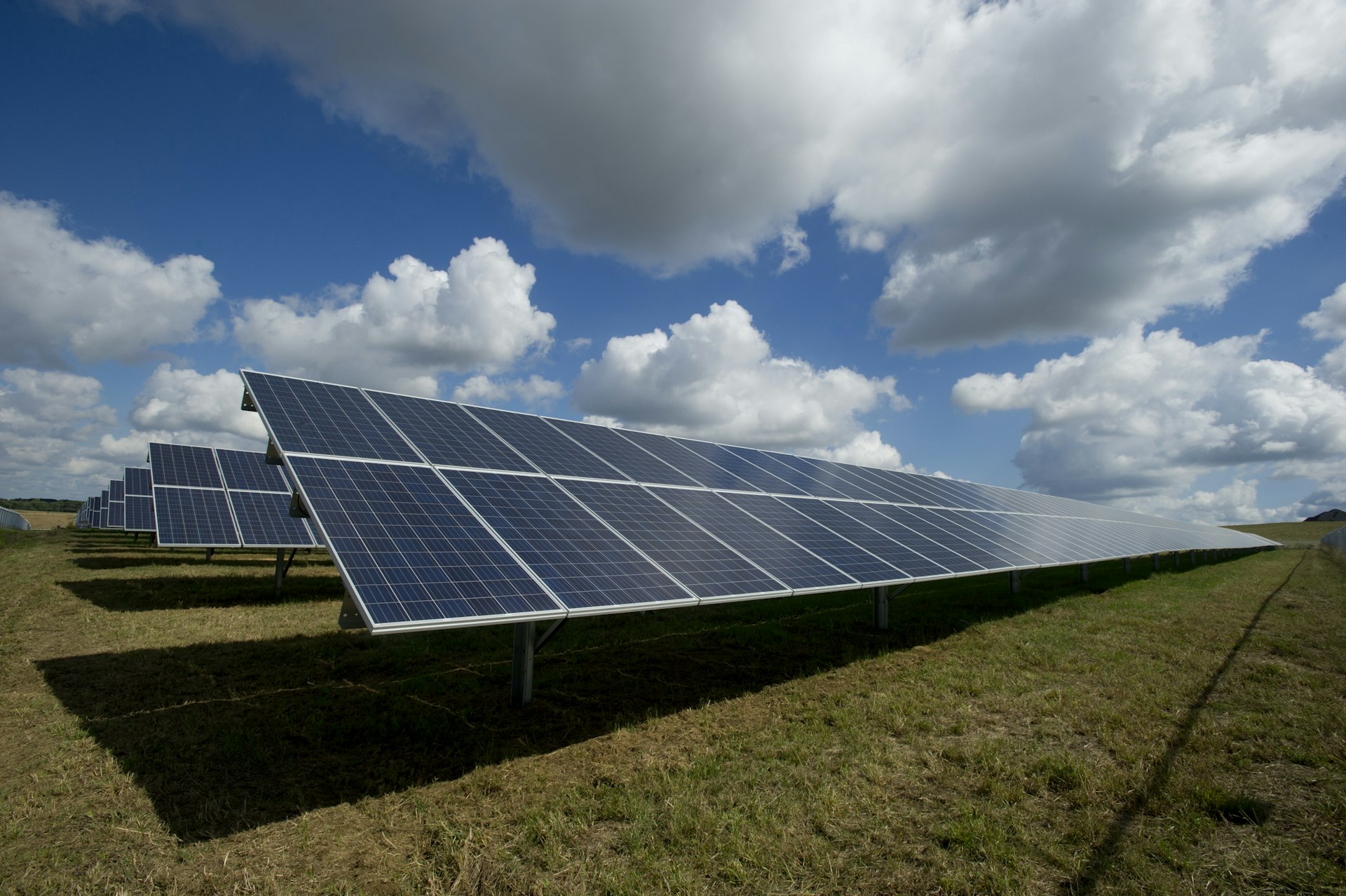
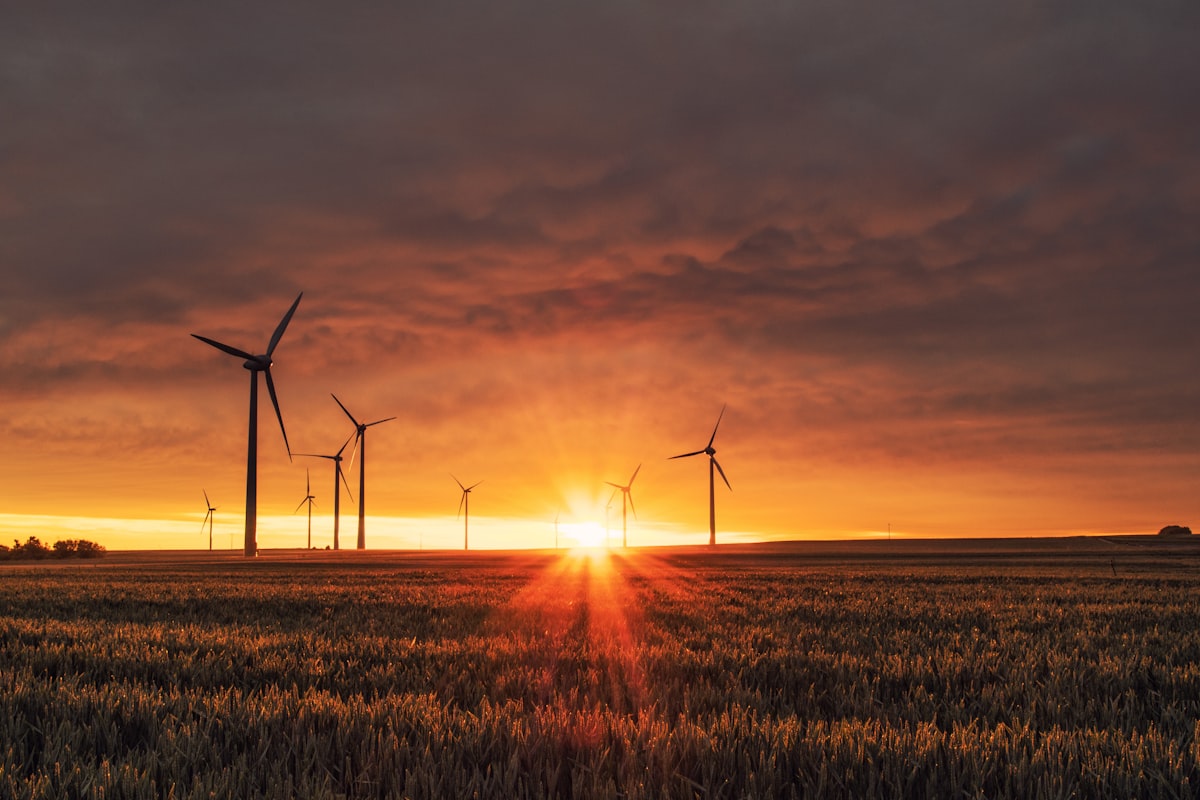
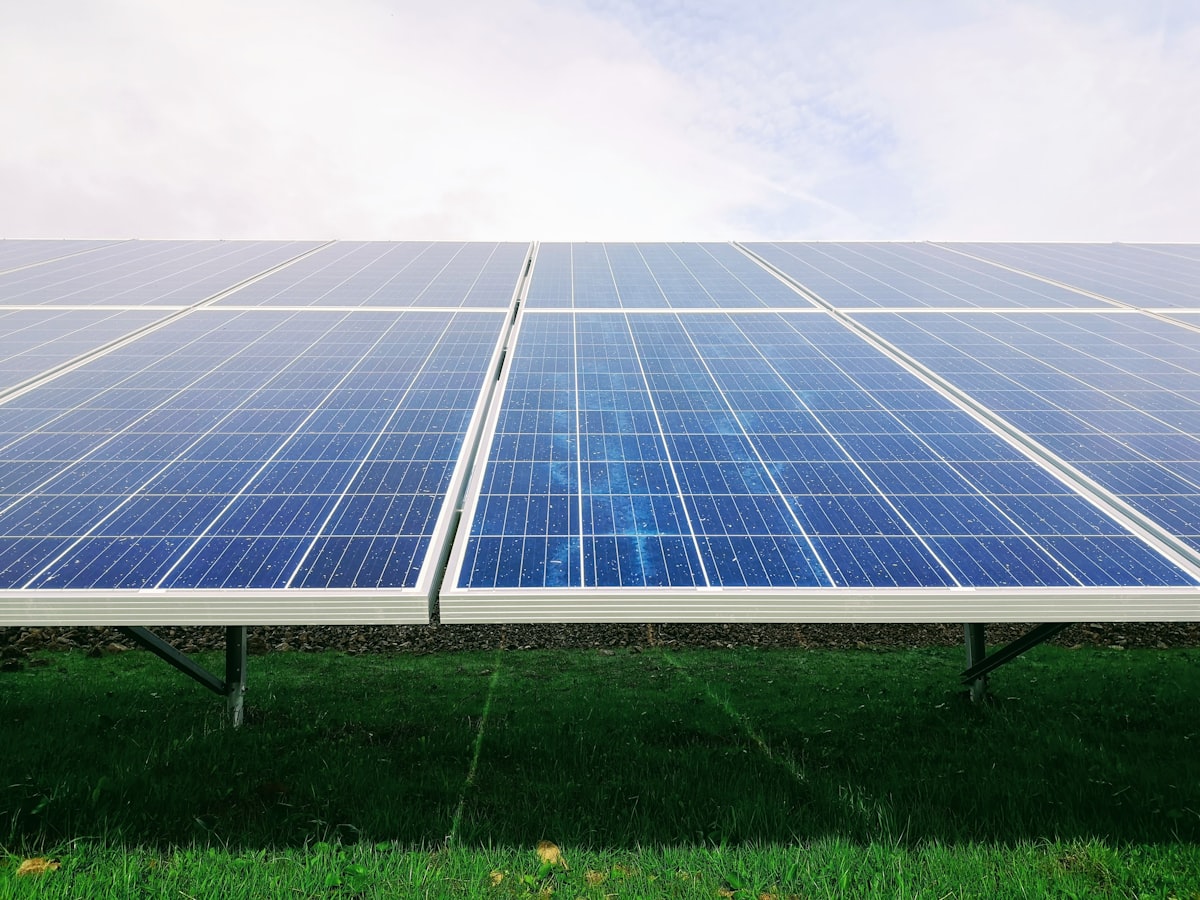
Renewable generation in Spain surpassed 55% of the national electricity mix in 2025, according to official data from the system operator. Solar photovoltaic leads the growth, followed by onshore wind and, in its early steps, offshore wind in Atlantic waters. Regions such as Andalusia, Extremadura, Castile-La Mancha and Aragón concentrate most of the solar farms, while Galicia and Castile and León lead wind deployment.
The rollout of local energy communities — neighbourhood cooperatives sharing solar self-consumption — has multiplied by four in the last three years. This citizen participation strengthens rural development, helps keep populations in small villages and reduces household energy bills. The protection of the landscape is also at the heart of the debate: plants are designed with ecological corridors, native vegetation and buffer zones for wildlife.
The future of Agriculture 5.0
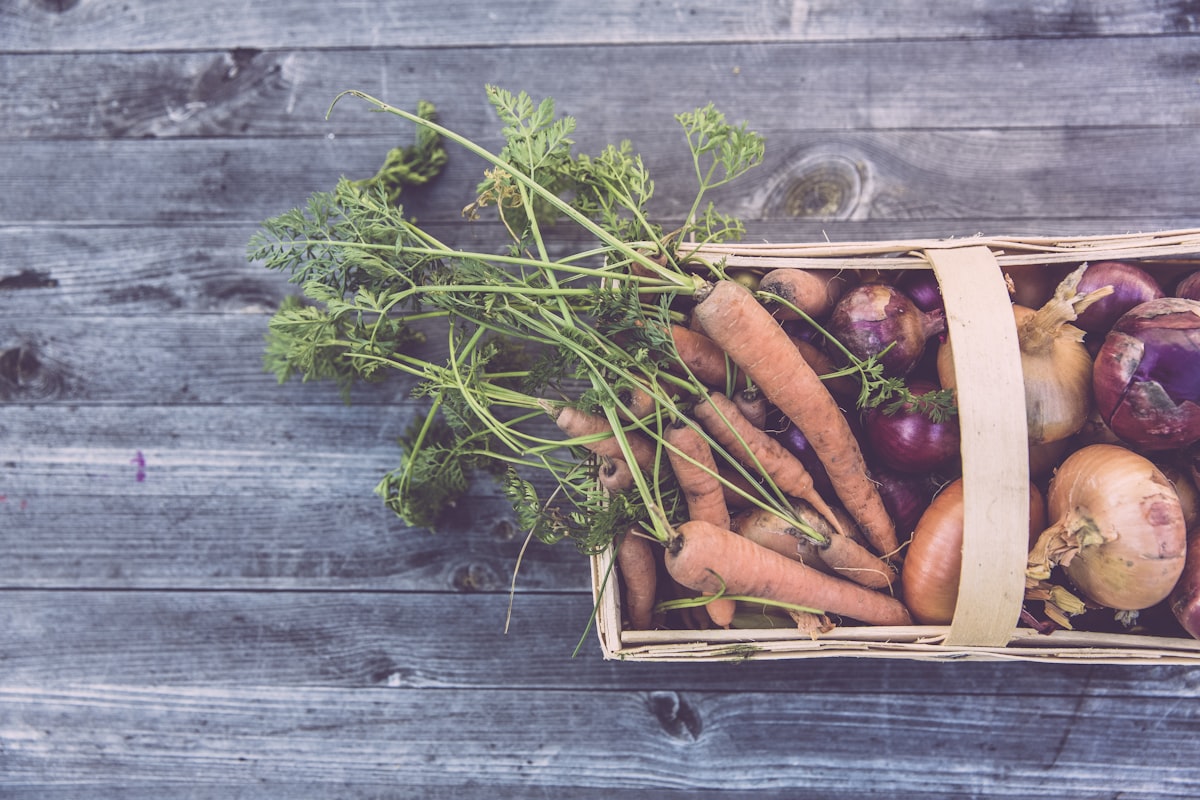
Spanish farming is going through a second revolution. Moisture sensors, connected weather stations, monitoring drones and management software help optimise water use and reduce fertilisers by up to 30%. Agriculture 5.0 combines the tradition of olive groves, vineyards and Mediterranean orchards with digital tools that protect the soil and foster biodiversity.
The future lies in smaller, well-connected farms that adapt to a changing climate. The protection of native varieties, crop rotation and the use of solar energy for irrigation are now routine practices on many farms. Short, local food chains shorten carbon footprints and dignify farm work.
Fundolentra documents these initiatives with an educational, socially responsible focus. We believe that understanding is the first step to participating: the better we grasp the challenges, the more we can contribute, from our homes, schools and neighbourhoods, to a stronger and cleaner Spain.